treatment for ketosis in cattle What is ketosis? » how do you prevent ketosis in cattle?
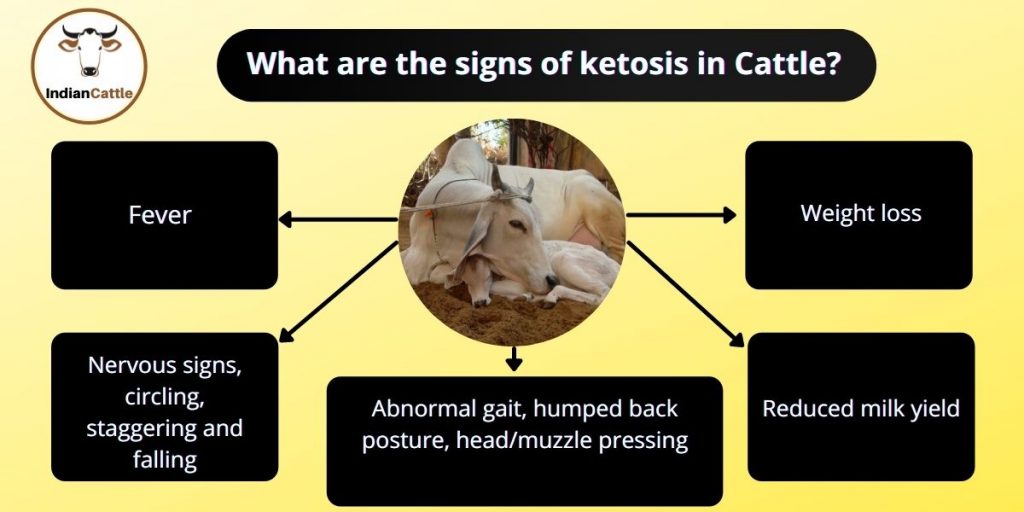
Ketosis, a metabolic disorder often observed in dairy cattle, can become a troublesome issue for farmers if it is not diagnosed and treated in time. Any dairy farmer would know how difficult it can be to keep their cattle healthy and productive. Hence, understanding the symptoms and treatment of Ketosis in cattle becomes crucial to maintain the health of the herd. Ketosis, also known as Acetonemia, is caused when the energy demand of cattle increases but their feed intake fails to meet the required energy levels, leading to the breakdown of stored fats in the liver. This produces ketone substances that can be monitored through urine or blood. In early stages, cattle may exhibit only mild symptoms of ketosis such as a drop in milk yield and appetite. However, as the condition progresses, the symptoms of advanced Ketosis may become evident. Cattle experiencing advanced Ketosis may show more pronounced symptoms such as depressed appetite, weight loss, decreased milk production, weakness, nervousness, and lack of coordination. This condition can have long-lasting effects on the affected cattle, reducing their health and productivity. Thus, it is essential to prevent and treat Ketosis in cattle promptly. Prevention of Ketosis can be done through strategic feeding and management practices such as providing a well-balanced diet, avoiding sudden changes in diet, and maintaining an appropriate feeding frequency. Additionally, proper body condition score maintenance and regular checkups of the herd can help in early detection and treatment of Ketosis. The treatment of Ketosis in cattle includes a combination of nutritional, medicinal, and management approaches. Nutritional approaches involve increasing energy intake through high-quality forages and concentrates while medicinal approaches involve administering glucose, propylene glycol, and other therapeutic drugs as prescribed by a veterinarian. Management approaches involve reducing stress and providing proper bedding in the barn. In conclusion, Ketosis in cattle can have a significant impact on the health and productivity of the herd, and it is crucial to prevent and treat Ketosis promptly. As a responsible dairy farmer, it is essential to recognize the symptoms and implement preventive measures to keep the cattle healthy and productive. Early detection and treatment of Ketosis can go a long way in maintaining the health and productivity of the herd.
Ketosis in Cattle - Understanding the Symptoms and Treatment
 Ketosis, a metabolic disorder often observed in dairy cattle, can become a troublesome issue for farmers if it is not diagnosed and treated in time. Any dairy farmer would know how difficult it can be to keep their cattle healthy and productive. Hence, understanding the symptoms and treatment of Ketosis in cattle becomes crucial to maintain the health of the herd.
Preventing Ketosis in Cattle
 Prevention of Ketosis can be done through strategic feeding and management practices such as providing a well-balanced diet, avoiding sudden changes in diet, and maintaining an appropriate feeding frequency. Additionally, proper body condition score maintenance and regular checkups of the herd can help in early detection and treatment of Ketosis.
Treating Ketosis in Cattle
The treatment of Ketosis in cattle includes a combination of nutritional, medicinal, and management approaches. Nutritional approaches involve increasing energy intake through high-quality forages and concentrates while medicinal approaches involve administering glucose, propylene glycol, and other therapeutic drugs as prescribed by a veterinarian. Management approaches involve reducing stress and providing proper bedding in the barn.
In conclusion, Ketosis in cattle can have a significant impact on the health and productivity of the herd, and it is crucial to prevent and treat Ketosis promptly. As a responsible dairy farmer, it is essential to recognize the symptoms and implement preventive measures to keep the cattle healthy and productive. Early detection and treatment of Ketosis can go a long way in maintaining the health and productivity of the herd.
If you are looking for Norbrook - Ketosaid Cattle & Sheep Ketosis Treatment x Size: 1 Lt you’ve came to the right web. We have 5 Pics about Norbrook - Ketosaid Cattle & Sheep Ketosis Treatment x Size: 1 Lt like What is Ketosis? » How Do You Prevent Ketosis in Cattle?, Dextrose 50% Sterile Cattle Treatment for Ketosis - Jeffers and also Norbrook - Ketosaid Cattle & Sheep Ketosis Treatment x Size: 1 Lt. Here it is:
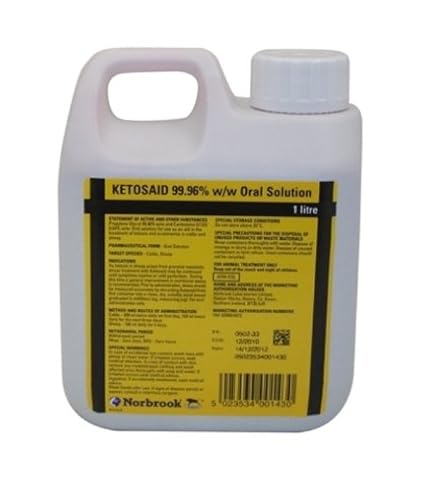
Norbrook - Ketosaid Cattle & Sheep Ketosis Treatment X Size: 1 Lt
 www.amazon.co.ukketosis
What Is Ketosis? » How Do You Prevent Ketosis In Cattle?
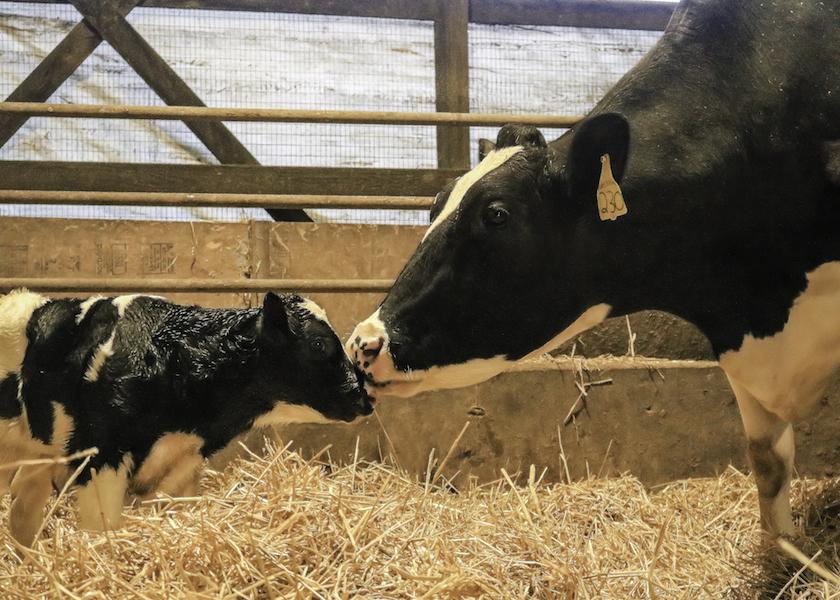
indiancattle.comKnock Out Ketosis | Dairy Herd
 www.dairyherd.comketosis rhonda
Dextrose 50% Sterile Cattle Treatment For Ketosis - Jeffers
 www.jefferspet.comKetosis In Cattle Explained| Symptoms And Treatment Of Ketosis In
www.youtube.comKetosis rhonda. Dextrose 50% sterile cattle treatment for ketosis. Knock out ketosis