what is the 5 carbon sugar found in dna Nucleic acid unit basic nucleotide sugar carbon phosphate bond attach third attached
The world of biology is an intriguing one that is full of wonders and mysteries, one of which is the structure and replication of deoxyribonucleic acid (DNA). DNA is a vital molecule that plays a critical role in the functioning and survival of living organisms.
Overview of DNA Structure
At first glance, DNA may seem like a simple molecule, but it is far from it. The structure of DNA is a double helix made up of four nucleotide components: adenine (A), thymine (T), guanine (G), and cytosine (C). These nucleotides form base pairs, with A always bonding with T and G always bonding with C.

The backbone of the DNA molecule is composed of sugar and phosphate molecules. The sugar component, deoxyribose, bonds with the phosphate molecule to form the backbone of the helix. The base pairs are then attached to the deoxyribose sugar in between the two backbones of the helix.
Replication Process
Replication is the process by which a DNA molecule is copied and is carried out during cell division. The process of replication begins when an enzyme called helicase unwinds the double-stranded DNA helix, creating a replication fork. The enzymes then break the hydrogen bonds between the nucleotide base pairs, allowing the DNA strands to separate.

Once the strands are separated, primase, another enzyme, adds RNA primers to the single-strand DNA, which are then used as starting points for DNA polymerase, an enzyme responsible for synthesizing new DNA molecules.
DNA polymerase then moves along each of the separated single-strand DNA molecules, adding nucleotides to the growing strands in a complementary base-pairing pattern. The final result is two identical DNA molecules that are exact replicas of the original DNA molecule.
Conclusion
In conclusion, the structure and replication of DNA are intricate processes that are critical to the survival and functioning of living organisms. The discovery and study of DNA have led to many advances in fields such as medical science and biotechnology. Understanding the structure and replication of DNA is essential in understanding the complexities of life and unlocking the secrets of the natural world.
Thank you for reading!
If you are searching about What is the basic unit of a nucleic acid? | Socratic you’ve came to the right web. We have 5 Pics about What is the basic unit of a nucleic acid? | Socratic like Directionality (molecular biology) - Alchetron, the free social, Darwin1 and also # 34 DNA structurer and replication | Biology Notes for A level. Here it is:
What Is The Basic Unit Of A Nucleic Acid? | Socratic
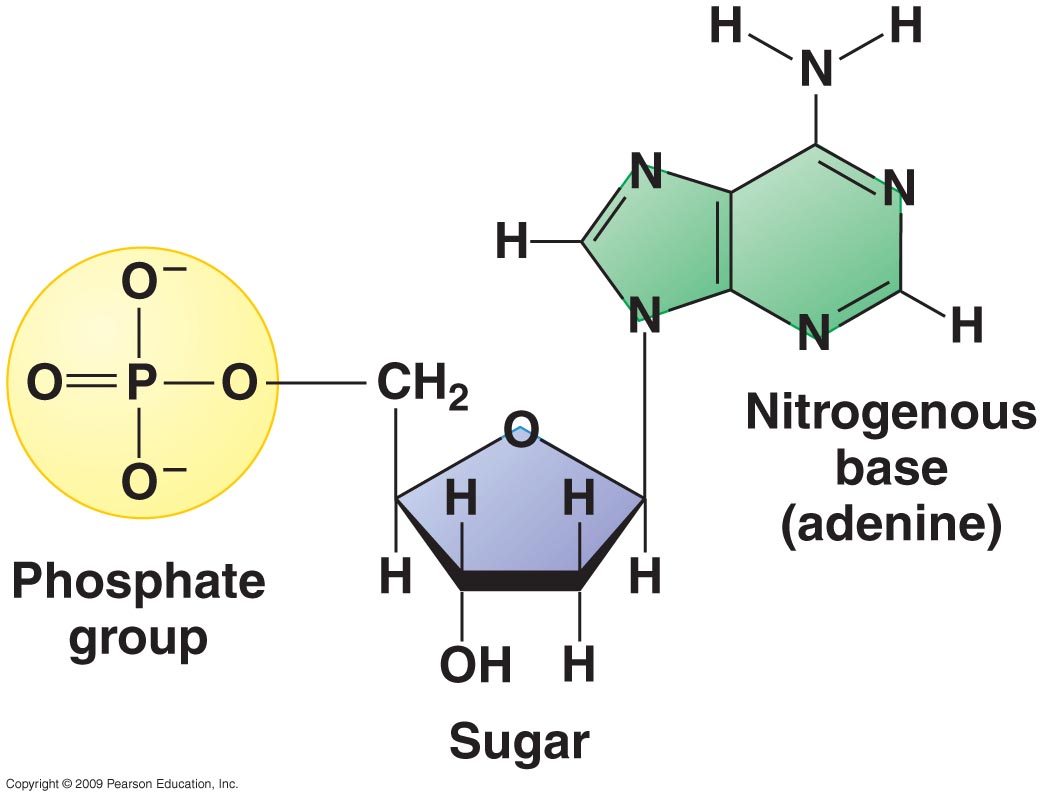 socratic.orgnucleic acid unit basic nucleotide sugar carbon phosphate bond attach third attached
Darwin1
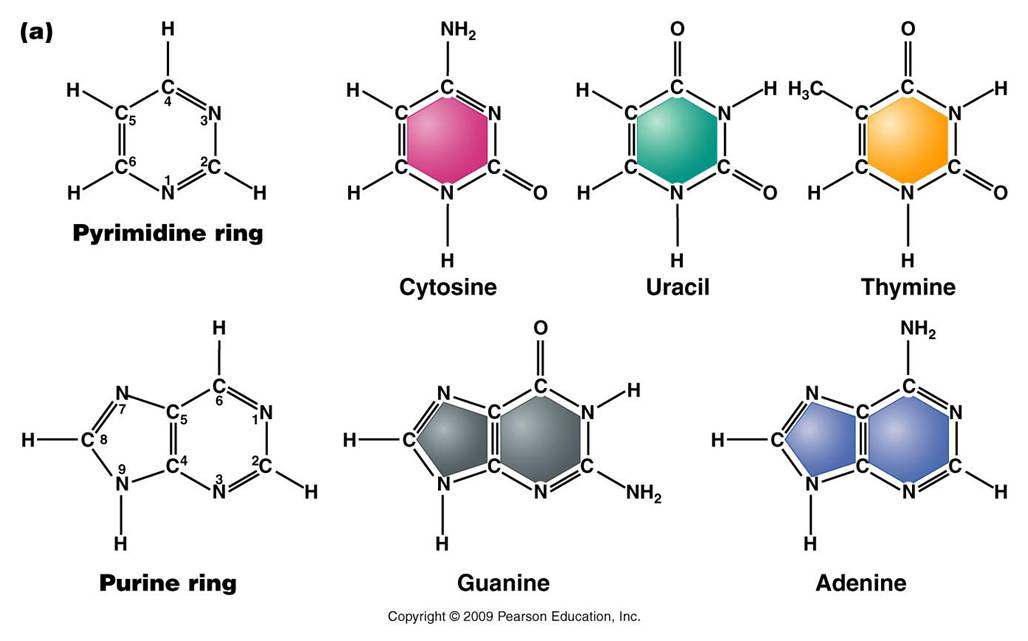 facweb.furman.edudna rna structure carbon sugar sugars pentose carbons nucleotides monomers deoxyribose bio111 wworthen furman edu
# 34 DNA Structurer And Replication | Biology Notes For A Level
biology4alevel.blogspot.comdna sugar phosphate base deoxyribose nucleotides nucleic group acids nucleotide carbon rna ribose acid molecule bases replication nitrogen nitrogenous biology
Question #5f269 | Socratic
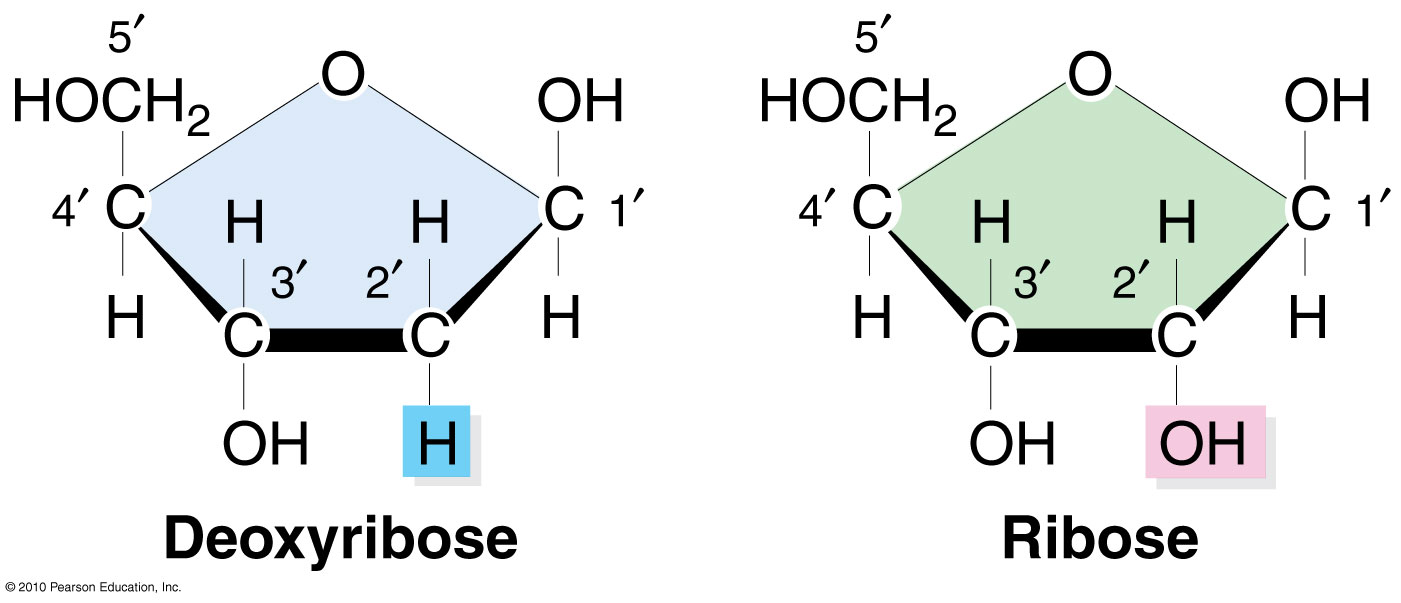 socratic.orgdeoxyribose ribose phosphate acids nucleic molecule rna atom socratic differs pentose ribosa nucleotides hydroxyl lacking disaccharides
Directionality (molecular Biology) - Alchetron, The Free Social
alchetron.comnucleic directionality acids dna biology examples molecular rna carbon phosphate nukleotid carbons nucleotide sciencetrends nitrogenous backbone num bonding sugars biomolecule
Question #5f269. Deoxyribose ribose phosphate acids nucleic molecule rna atom socratic differs pentose ribosa nucleotides hydroxyl lacking disaccharides. Dna sugar phosphate base deoxyribose nucleotides nucleic group acids nucleotide carbon rna ribose acid molecule bases replication nitrogen nitrogenous biology